
Fall Through the Lens of Chinese Medicine
A version of this post was published in my newsletter. Sign up here.
As the weather gets cooler, the days get shorter, and we settle into a new season, Chinese medicine offers an interesting perspective on how we can adjust our routines to support our health and well-being during fall.
What Does Chinese Medicine Say About Fall?
Chinese medicine assigns organ systems to each season, and fall is associated with the Lung and Large Intestine. Somewhat poetically, it’s a season meant for processing what we bring in and letting go of what we no longer need.
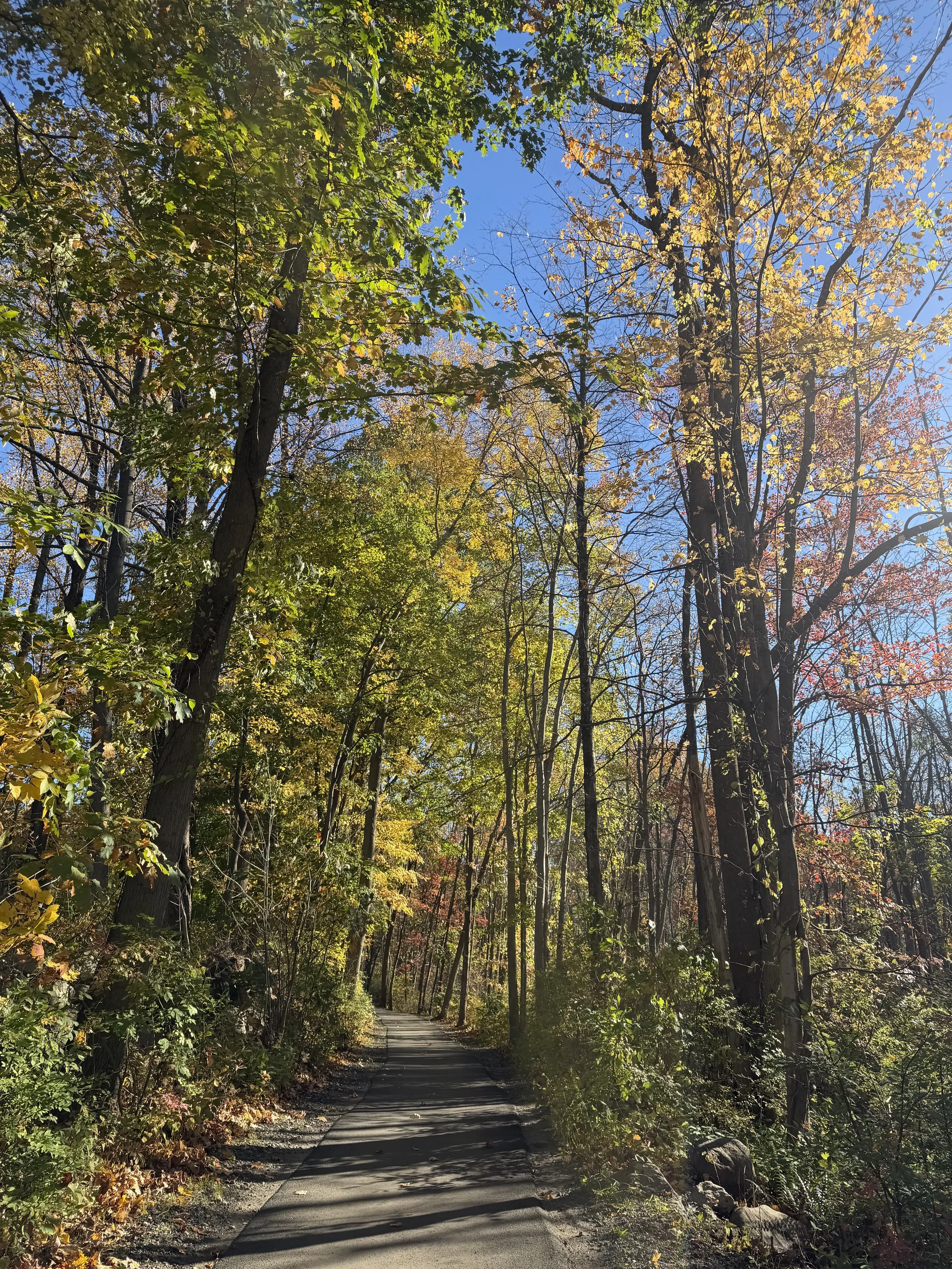
Just as the trees release their leaves, we can take stock of what we’ve accumulated, whether that’s material objects, overscheduled calendars, or lingering emotions, and let go of what we no longer need to carry into the next season.
In addition to seasons, Chinese medicine also associates emotions with different organ systems. The emotion associated with the Lung is grief and sadness, which my dear friend and bestselling author Jessica Soffer so beautifully wrote about in her latest Substack.
The Lung, Skin, and Immune System in Fall
In Chinese medicine, the Lung governs not only respiration, but also the skin and the body’s defenses against external pathogens.
There’s an interesting parallel with Western medicine here. Both the skin and respiratory tract serve as important physical and immune barriers between our bodies and the outside world.
This time of year, I routinely see more issues involving the skin and upper respiratory tract in my acupuncture practice: colds, coughs, seasonal allergies, and dry skin.
Practically, we know that the air is getting cooler and we’re turning the heat on at home, which can contribute to dry skin and irritated respiratory passages. At the same time, cold and flu season has made its unwelcome entrance.
Kind of a cool connection, right?
How to Support Your Body During Fall, According to Chinese Medicine
So what can we actually do with all of this? Here are a few simple ways to incorporate the principles of Chinese medicine into your fall routine:
Bundle up as the weather gets cooler. Wear a scarf or cover your neck, which is considered particularly vulnerable to wind and cold in Chinese medicine.
Transition toward warmer foods. Think soups, stews, roasted vegetables, and other warm, cooked foods, which many of us are conveniently more inclined to as the weather cools. Incorporate hydrating seasonal foods like apples and pears, which are used in Chinese dietary therapy to help counteract fall dryness.
Add moisture to dry indoor air. Fire up your humidifier as the heat comes on to help support dry skin and respiratory passages.
Do a good old-fashioned closet cleanout. Give away the things you’ve accumulated that you no longer need.
Make space to process lingering emotions. Talk to a trusted friend or therapist, hash it out in your journal, or take a long walk. Fall can be a natural time for reflection.
Keep up with your acupuncture treatments. Regular acupuncture can be part of your overall wellness routine and can help address concerns that often bring patients into my office this time of year, including stress, sleep issues, seasonal allergies, and other symptoms.
Embracing the Change of Season
One of the things I love most about Chinese medicine is its emphasis on living in rhythm with the seasons rather than expecting our bodies and routines to remain exactly the same all year.
Fall gives us an opportunity to slow down, nourish ourselves, take stock of what we’ve accumulated, and decide what we want to carry forward.
If you’re looking for acupuncture in Ridgefield, Connecticut, I offer personalized acupuncture and Traditional Chinese Medicine treatments for a wide range of health concerns, as well as ongoing wellness and seasonal support.